Call answering
How to Never Miss a Business Call Again: A Complete Guide for Growing Teams
Missed calls lose leads and customers. Learn why businesses miss calls, what it costs, and how AI phone agents and after-hours call answering keep every ring covered.
· · 11 min read
If your business phone rings and nobody picks up, that caller rarely waits. They hang up, try a competitor, or leave a vague voicemail you may never return. For clinics, shops, service businesses, and sales teams, learning how to never miss a business call is not a nice-to-have — it is one of the highest-ROI operational fixes you can make.
This guide explains why calls get missed, what those misses actually cost, and the practical systems — including AI phone agents and after-hours call answering — that keep every important conversation covered without hiring a full-time receptionist for every hour of the day.
Why businesses miss calls (even when they care)
Most missed business calls are not laziness. They are capacity problems. A receptionist can only handle one conversation at a time. Owners answering phones while serving customers in person create bottlenecks. Remote teams hop between tools and forget to flip call forwarding. After 6 p.m., the line often goes to voicemail by default.
Common causes of missed business calls include:
- Busy hours when every desk phone is already in use
- After-hours and weekend inquiries with no coverage plan
- Staff on lunch, meetings, site visits, or leave
- Spam and robocalls that train people to ignore unknown numbers
- Complex IVR menus that frustrate callers into hanging up
- No overflow path when the primary line is occupied
What a missed call really costs

A missed ring looks small in the moment. Over a month, the cost compounds. Industry surveys often find that a large share of callers will not leave a voicemail — and many will not call back. For appointment-based businesses, that can mean lost bookings. For sales teams, it can mean a competitor wins the deal simply by answering first.
Think in simple math. If your average new customer is worth ₹5,000 in lifetime margin and you miss only four qualified inbound calls per week, you may be leaving six figures of opportunity on the table over a year — before counting damage to brand trust when existing customers cannot reach you.
Signals that missed calls are hurting you
- Call logs show many short or unanswered inbound attempts
- Customers say “I tried calling but no one picked up”
- Leads from ads or Google Business Profile do not convert
- Voicemail fills up overnight and on weekends
- Staff complain they cannot keep up during peak hours
A practical playbook to never miss a business call
You do not need a 50-person call center. You need a clear answering policy and tools that enforce it. Use the steps below as a checklist.
1. Map every inbound path
List every number customers use: main line, ads, WhatsApp-linked numbers, Google Business Profile, and personal mobiles that still receive work calls. Decide which numbers must always be answered live and which can route to a structured intake flow.
2. Define coverage windows
Document who answers during business hours, who handles overflow, and what happens after hours. “Someone will try” is not a plan. “If unanswered in 15 seconds, route to AI phone agent” is a plan.
3. Replace voicemail as your default
Voicemail is a last resort, not a strategy. Callers want answers, appointments, and next steps — not a recording. Modern AI call answering can greet callers, collect details, book appointments, and escalate urgent issues without making people leave a message they hope you hear later.
4. Capture structured lead data on every call
An answered call that disappears into tribal knowledge still wastes money. Your system should capture name, intent, urgency, preferred callback time, and next action — then surface that in a dashboard your team already checks.
5. Measure answer rate weekly
Track answer rate, average speed to answer, after-hours volume, and leads created. If answer rate dips below your target (many teams aim for 90%+ on business-critical lines), fix routing before you buy more ads.
Where AI phone agents fit
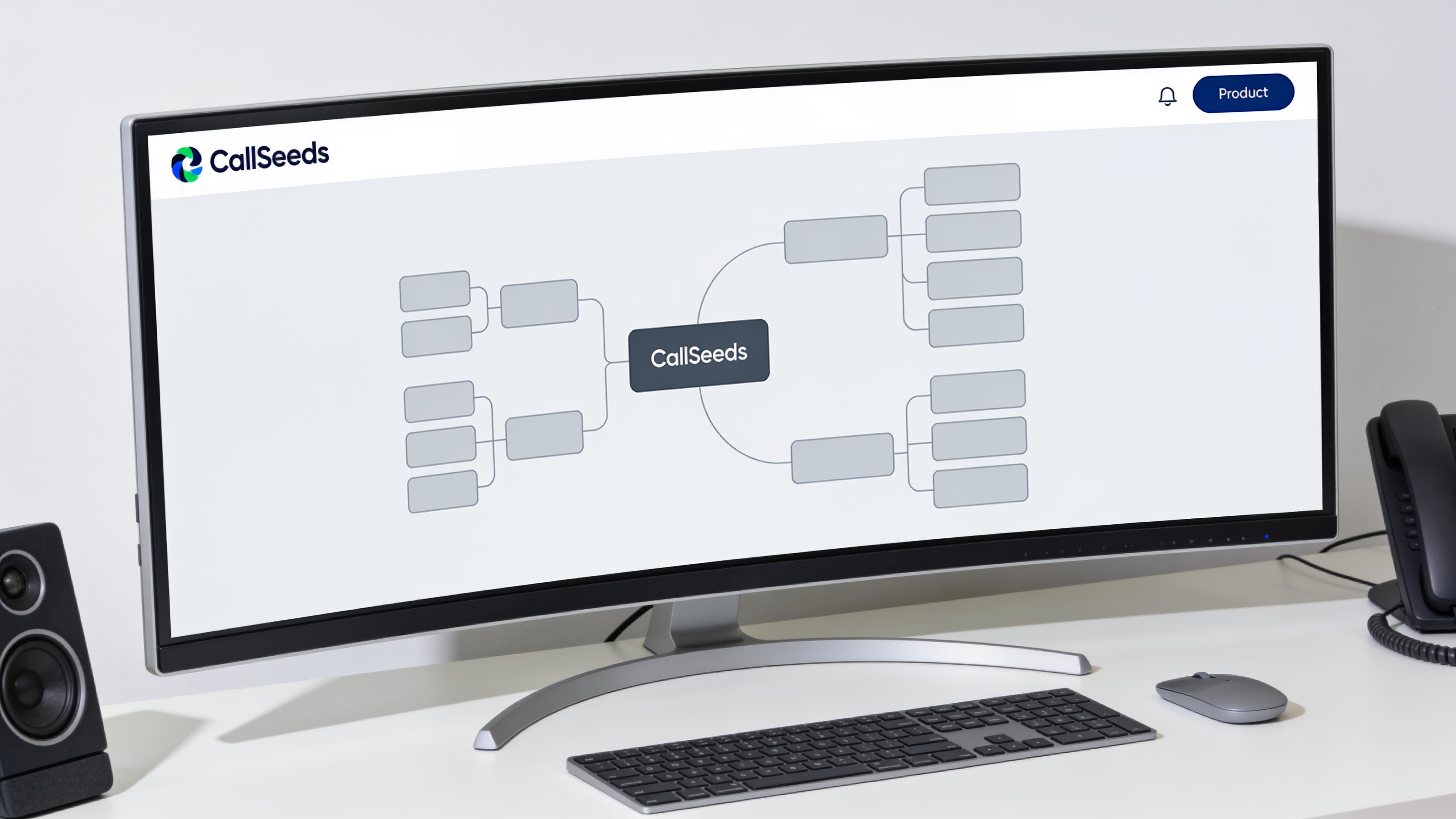
An AI phone agent is software that answers real phone calls with natural conversation. Unlike a rigid “press 1” menu, a good AI receptionist understands why someone is calling, answers common questions, and hands off to a human when needed.
For growing teams, AI call answering works especially well for:
- After-hours call answering when staff are offline
- Overflow during lunch rushes and campaign spikes
- Front-desk FAQs: hours, location, pricing ranges, services
- Lead intake for sales and service bookings
- Consistent brand voice across English, Hindi, and Punjabi lines
CallSeeds is built for this exact job: put an intelligent AI agent on your business number so callers get a human-sounding conversation instead of a missed ring or a dead-end voicemail. Your team reviews transcripts, leads, and summaries in one place — then improves the agent over time.
After-hours call answering without burning out your team
Many high-intent calls arrive outside office hours — especially for healthcare, home services, real estate, and B2B buyers researching vendors at night. Expecting a founder to sleep with a work phone is not sustainable.
A better after-hours model:
- AI answers immediately with your business greeting
- Routine questions get resolved on the spot
- Urgent issues trigger a defined escalation path
- Non-urgent leads are logged for morning follow-up
- Spam and robocalls are screened so humans are not woken up for junk
AI vs hiring more receptionists
Hiring is still the right move when you need high-touch, complex conversations all day. But receptionists have shifts, sick days, and one-call-at-a-time limits. AI phone agents scale with call volume, stay consistent, and cover nights and weekends at a fraction of full-time staffing cost.
The winning setup for most SMBs is hybrid: humans for nuanced and VIP conversations, AI for first response, overflow, and after-hours coverage. That combination is how you actually never miss a business call without building a 24/7 call center.
Quick checklist you can run this week
- Pull last 30 days of missed/unanswered calls from your phone provider
- Identify peak miss windows (lunch, evenings, weekends)
- Write a one-page answering policy for your team
- Connect an AI phone agent for overflow and after hours
- Define what counts as urgent vs can-wait
- Review the first 20 AI-handled calls and refine greetings
- Set a weekly answer-rate target and stick to it
Start covering every ring
Missed calls are silent revenue leaks. The businesses that win inbound demand are the ones that answer fast, capture context, and follow up with discipline. If you want AI call answering that sounds natural and never leaves callers hanging, try CallSeeds on your busiest or after-hours line first — then expand once you see answer rates climb.
Put an AI phone agent on your line
CallSeeds answers business calls with natural AI agents — including after-hours coverage, lead capture, and team dashboards. Start free and cover the rings you currently miss.
Start free with CallSeeds